
Dhamma Sukha Meditation Center Retreats
Transformative TWIM Meditation Retreats
Zoom Retreats January–April
Retreats are led by David Johnson, Jan — April 2026. David is the resident teacher at Dhamma Sukha Meditation Center and author of “The Path to Nibbana: How Mindfulness of Loving-Kindness Progresses through the Tranquil Aware Jhanas to Awakening”. The 10-day retreats are full-emersion courses with daily Zoom talks and one-on-one private teacher interviews. The retreat format is designed to optimize each day to facilitate progress in the stages of meditation and its goal. Learn more information. LINK HERE
Residential Retreats, May–October
Retreats are led by Buddhist monks and certified lay teachers. Participants are instructed and guided in the practice of TWIM (Tranquil Insight Wisdom Meditation). TWIM practice was originally taught at the center by Venerable Bhante Vimalaramsi who died in 2022. He taught the earliest known form of Vipassana (insight) combined with Samatha (tranquility) as described in the Buddhist Pali texts. In personally mentored, trained, and certified dozens of his students who teach TWIM today. Learn more and register. LINK HERE.
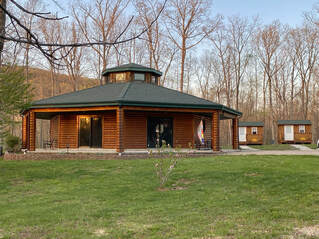
TWIM In-Person Retreats
Retreats at Dhamma Sukha Meditation Center are designed to help students learn the Buddha’s core meditation principles as taught in the earliest Buddhist texts. The center is located near Ironton, Missouri, in the Ozark Mountains, about two hours south of St. Louis. As a result, practitioners benefit from a peaceful and supportive environment for deep meditation practice.
Tranquil Wisdom Insight Meditation (TWIM) is especially suitable for beginners who want a practical form of insight meditation that works quickly with benifits that transfer into daily life. At the same time, many experienced meditators attend these retreats to deepen concentration and progress through the higher stages of meditation described by the Buddha.
A Course Designed for Progress
Retreats are conducted primarily in silence to support inner clarity. However, mindful speech is encouraged during evening Dhamma talks. In addition, participants observe the Eight Precepts, which provide an ethical foundation that strengthens meditation practice and supports mental calm.
Each day follows a structured schedule to make effective use of practice time. The day begins with group meditation and a short recitation of the Buddhist refuges and precepts. This is followed by periods of seated and walking meditation. Furthermore, personal instruction is provided through daily one-on-one interviews with the retreat leader. Guidance is tailored to support progress through the stages of meditation with ease and comfort
Meditation Course–Residential
Participants practice in the meditation hall from 6:00 AM and 6:00 PM with breaks for meals and walking practice. A daily one-on one teacher interview is scheduled daily with the retreat leader.
During practice periods, participants are encouraged to balance sitting and walking meditation as suggested by the teacher. Indoor and outdoor meditation practice is encouraged throughout the retreat.

DAILY SCHEDULE:
- 5:30 am Wake up
- 6:00 am Group Sitting practice
- 7:00 am Breakfast
- 7:45 am Work period
- 8:45 am Sitting and walking practice
- 11:00 am Lunch
- 12:30 pm Rest
- 1:30 pm Interviews and practice
- 5:30 pm Tea time
- 6:00 pm Dhamma talk and discussion
- 8:00 pm Sitting and walking practice
- 10:00 pm Bedtime
Zoom Retreats
Zoom Retreats with are led by David Johnson and Kirsten Jones in the late Winter, and early Spring months. This format requires a minimum of six hours daily of seated meditation each day along with intermittent walking meditation. Eight precepts are suggested to enhance the meditative practice with daily video instruction. Daily scheduled one-on-one private interviews provide detailed instruction to enhance progress. See David and Kirstens’ Bio HERE
In this video, David Johnson discusses the relationship between minfulness and Jhana states.
“I eventually found my mind becoming more relaxed and had some phenomenal sittings towards the end of the retreat” — Cleona
BELOW: In her video, Cleona Lara shares her experience of attending several online meditation course. She offer tips including the challenges and rewards. She emphasizes how to deal with habitual distractions and committing to wholesome states of mind.
Cleona discusses the importance of talking to the teacher every day using Google forms or Zoom to optimize results. “My tips include smiling often, not trying to make anything happen during meditation, avoiding movement while sitting, and being disciplined with distractions at home. I also suggest being generous with dana, as it builds up merit and supports a great cause.”
“While online retreats have their advantages, they require extra-strong determination to overcome distractions at home. However, if you are committed to meditation and giving it your 100%, it can be a transformative experience.”
Cleona’s Meditation Tips:
- smiling and the feeling of loving-kindness
- not trying to make anything happen during meditation
- avoiding movement while sitting
- being disciplined about dealing with distractions at home
- practicing generosity and giving donations (dana)
Teachers
The 2025 residential teachers are Delson Armstrong, Antra Berger, David Johnson, Veneable. Dr. Saccananda, Venerable. Bhante Kusala, and others TWIM teachers. Each has extensive experience leading retreats, providing daily one-on-one personal interviews to optimize progress in the stages of meditation. They have dedicated personal practice and completed long mentorship with Bhante Vimalaramsi who certified each of them. More listings HERE
Accommodations
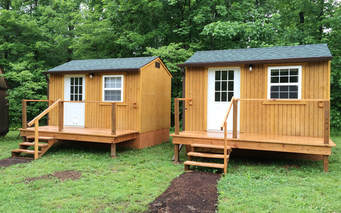

Single room accommodation are simple but conformable. Couples may not co-habitate even if married. Participants share a modern community bathroom facilities and a central dining hall. The main buildings are ready to access and offer central heating and air conditioning. Single or double occupancy bedrooms are available on a first-serve basis.
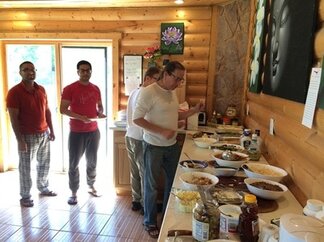
Meals and Dining
Breakfast and lunch are the two meals offered buffet style each day. Rrefrigerated food storage is available to those with special dietary needs. Contact the retreat manager if you have a medical need to bring supplemental foods for your private consumption. Tea and fruit juices will be available everyday around 5:30 PM before each evening Dhamma talk.
Registration and Fees
After you register, the retreat manager will contact you to arrange arrival and departure itinerary and ground transportation. First complete and submit the Contact Form.

Etiquette With Monks and Nuns
What to Wear
Temperatures and weather in Missouri can be unpredictable. Check Here for the local forecast and prepare accordingly.
Bring comfortable but modest loose fitting clothes that facilitate sitting and walking meditation. Sweat pants and easy slip-on/off shoes are recommended. Bring clothing that can be layered should the weather turn unexpectedly warm or colder than normal. It is advisable to bring a knit cap and gloves just in case the weather turn cold. Sweaters or jackets are generally needed at night.
Shoes are not permitted in the building. Socks or soft slippers are appropriate in the meditation hall. Shawls and body blankets are recommended for sitting and walking meditation.
What to Bring
Chairs and cushions
Other Necessities to Bring:
Bed linens, blankets, and towels are provided. Bring a special personal pillow or blanket if desired. Bring personal toiletries (toothpaste, bath soap, sunscreen, Kleenex, etc), insect repellant, flashlight or headlamp and extra batteries, an alarm clock or watch with an alarm, and a water bottle to be filled at the center with filtered water as needed.
What to Leave at Home:
Do not bring valuables, nonprescription drugs or alcohol. Avoid using scented cosmetics or perfumes that may be allergenic to others. Reading and writing are discouraged during this training period, except during the evening dhamma talks by Bhante. Candles, incense, and smoking are not allowed in any rooms.
Clocks and Phones:
Please be punctual for all group events. Turn sound off clocks and watches. There is no public phone on the facility. Cell phones will be collected at the beginning of the retreat and made available during breakfast on the closing day of the retreat. Computers and notebooks are prohibited during the retreat. Safe and secure storage for personal computers and cell phones will be provided.
Simplicity
Meditation retreats offer a sacred space that is protected and removed from the world. They allow participants a rare opportunity to look deeply inside, quiet the mind, and open the heart. Often the most beneficial and rewarding experiences of spiritual life happen at a meditation retreat. The sheltered and quiet setting is a key element that enables participants to develop patience, steadfastness, lovingkindness, generosity, joy, and wisdom. These are the seeds that grow insight, compassion, and contentment.
Participants are requested to let go of concerns for daily life and embrace an attitude of simplicity and renunciation by adopting a traditional spiritual practice that is called “taking what is offered”.
- Taking Any Residence – whatever quarters are offered. We ask participants to happily accept the accommodation assigned and continue to practice in this spirit throughout course of the retreat.
- Taking food that is offered – Happily accepting food that is offered is part of the practice.The cook lovingly prepares tasty and nutritious vegetarian meals. Alternative dishes will be available for those with medically required dietary restrictions. Participants with special dietary needs are encouraged to bring ready-to-eat supplemental food items that may be kept in the central refrigerator located in the dining room. Hot water and a microwave oven are available 24/7. Food items are prohibited in rooms and the meditation hall. Food preparation is not allowed in the kitchen or dining area.
- Silence – In fostering an atmosphere of contemplation and meditation, retreatants are requested to embrace the practice of Noble Silence during the retreat. Living in silence is the practice of observing within and not communicating with others. This includes reading or writing, using telephones, computer, email or text messages. Talking is permitted during the evening dhamma talks and teacher interviews when questions are encouraged. Inquiries about the retreat may be directed to a retreat manager or whenever necessary in the case of an emergency.
- Serving the Community – Retreatants may wish to volunteer for community work as a dailyperiod of meditation in action. This activity acquaints yogis with meditation practice in daily activities and helps the retreat function more smoothly. A sign-up sheet for yogi jobs will be available during registration.
The retreat is organized and managed by volunteers as a community service. Bhante Vimalaramsi freely gives the teachings and his time to be of service to the Buddha, the Dhamma (the teachings), and the Sangha (the community).
We deeply value the benefits of these profound spiritual practices and are honored to share these blessings with you. Thank you for your participation.