
What is TWIM?
Tranquil Wisdom Insight Meditaton
TWIM is a meditation to leasding to freedom of mind. It’s a practice the gradually deconditions habitual toxic emotional and mental disturbances that cause unhappiness and disatisfaction. It’s a self-directed training to recognize and then abandon them one by one as they occur. This allows the mind to become spacious, attentive, calm, and increasingly happy. The practice is best learned while quietly seated but iffediatly effective in active lifestyles once learned.
New to TWIM?
TWIM is a light-hearted practice. If you are new to meditation. Just sit quietly in a comfortable space. enjoy smiling and relaxing, you can learn how to experience rewarding meditation in minutes without pushing or doing concentration.
TWIM is best learned step by step with an experienced teacher. Online and Zoom classes are free. There are great books about TWIM and hundered of videos one YouTube. Certified teacher can answer your questions and thoughtfully guide you to develolp effective meditation by and experinced teach. Sign up for a free class and avoid wasting time and energy when someone is ready to help.
Already Experienced in Meditation?
TWIM is different from most popular forms meditation. It avoids concentration techniques that surpress toxic thinking, feelings, and moods. These are important triggers that casuse habitual disatification in life. TWIM practice is about mindfully recognizing and consciously abandoning them one by one as they occur. As they are released, the mind reboots. Mind and body reset to a natural state of equniminity or calmness that deepens with practice. Six Rs methodology is a mnemonic system that is learned at the outset. It’s application sharpens mindfulness and deepens tranquility revealing a harmonous to awakening wisdom.
The Journey to Awakeing Wisdom

Ending of Inner Turmoil
The Buddha’s message was remarkably straightforward. He stated: “I teach nibbāna (nirvāṇa) and the path to nibbāna”. “And what monks is the path leading to the unconditioned? Serenity and insight: this is called the path leading to the unconditioned….” “Samatha and Vipassana evenly yoked together” This is the heart that constitutes TWIM.
The Path to Unshakable Peace
Nibbāna is not an abstract concept or mystical idea—it is a real experience. It’s the state where craving, resistance, and struggle completely stop. It is an incomparable experience of unshakable peace and freedom of mind.
The Buddha’s Eightfold Path is not philosophy—it’s a functional, step-by-step method for transforming the conscious mind. It leads directly to seeing into the true nature of what is happening in the moment. When applied paintly, TWIM (Tranquil Wisdom Insight Meditation) works to reset of the nervous system, neurology, behavior patterns, and gradually releive emotional turbulence—restoring mind and body to a natural state of calm, clarity, and ease.
Imperturbable Equanimity
As this process deepens, the mind gradually untangles from craving—the root cause of suffering. Emotional turbulence, stress, and dissatisfaction lose their grip. What emerges is unshakable equanimity—a stable, peaceful mind that isn’t shaken by external events or internal chatter.
This is how you step out of saṃsāra—the endless loop of struggle—and experience reality directly as it is: open, peaceful, and free from the compulsive grasping at habitual patterns that result in dissatisfaction and suffering.
This isn’t a belief—it’s a trainable skill set. Apply it diligently, the results are both tangible and liberating.
Buddha's Map
The Buddha’s message was remarkably straightforward. He stated: “I teach nibbāna (nirvāṇa) and the path to nibbāna”. “And what monks is the path leading to the unconditioned? Serenity and insight: this is called the path leading to the unconditioned….” “Samatha and Vipassana evenly yoked together” This is the heart that constitutes TWIM.
The Buddha provided a clear and practical roadmap for awakening, known as the Noble Eightfold Path. It is his blueprint for understanding reality and achieving liberation. The path integrates ethical conduct, mental training (meditation), and the development of wisdom—each supporting the other to produce liberating insight.
Over time, misunderstandings and mistranslations distorted the original meaning of this path. This has led to the development of various ethnic forms of Buddhism and meditation styles that often stray from the Buddha’s original goal: complete freedom from suffering.
TWIM is the result of a dedicated effort by a Buddhist monk to recover and restore the Buddha’s original teachings. TWIM directly follows the steps laid out by the Buddha, offering a reliable and repeatable process that leads to awakening.
Stages of Awkening
Throughout his 45 years of teaching, the Buddha described four distinct stages of awakening, each representing a deeper level of freedom from suffering:
Stream-Enterer (Sotāpanna) – First breakthrough into liberation. Irreversible entry onto the path.
Once-Returner (Sakadāgāmi) – Returns to the human realm only one more time. Significant reduction in craving and aversion.
Non-Returner (Anāgāmi) – Does not return to the human world after death. Complete release from sensual craving and ill will.
Arahant (Fully Liberated) – Complete liberation. Free from all craving, ignorance, and suffering.
Each stage results in progressively greater freedom from suffering, deeper happiness, and a mind that is peaceful, stable, and free.
Advantages
Practice systematically dissolves habitual cravings and attachments that trigger painful moods and feelings that lead to unhappiness. TWIM meditation deconditions stress reactions resulting in clarity, joy, and contentment. TWIM cultivates and balances tranquility or samantha leading to insight or vipassana resulting in awakening wisdom or panna,.
- easy to understand,
- integrative in practice,
- practical and results-oriented
Benifits
TWIM is not about controlling the mind, but rather learning how to release stess reactions. Along with regular daily practice, TWIM principles can be applied in daily activities. With practice, benifits deepen and affeect all aspects of life.
- Stress and anxiety are infrequent: conscious relaxation creates tranquility, mental agility, and clarity.
- Emotional resilience: attentiveness in each moment steadies and extends throughout the day and during sleep.
- Better Mental Agility: clarity of intentions, thoughts, emotions, and sensations are patterns to be simply recognized and abandoned.
- Emotional resilience: tranquility of mind becomes accepting and consciously responsive resulting in self-assurance and spontaneity.
- Openness and compassion: deeper sensitivity and empathy generates genuine kindness and acceptance towards people and animals.

What if attending a meditation retreat could lead not just to relaxation or mindfulness alone—but to real awakening?
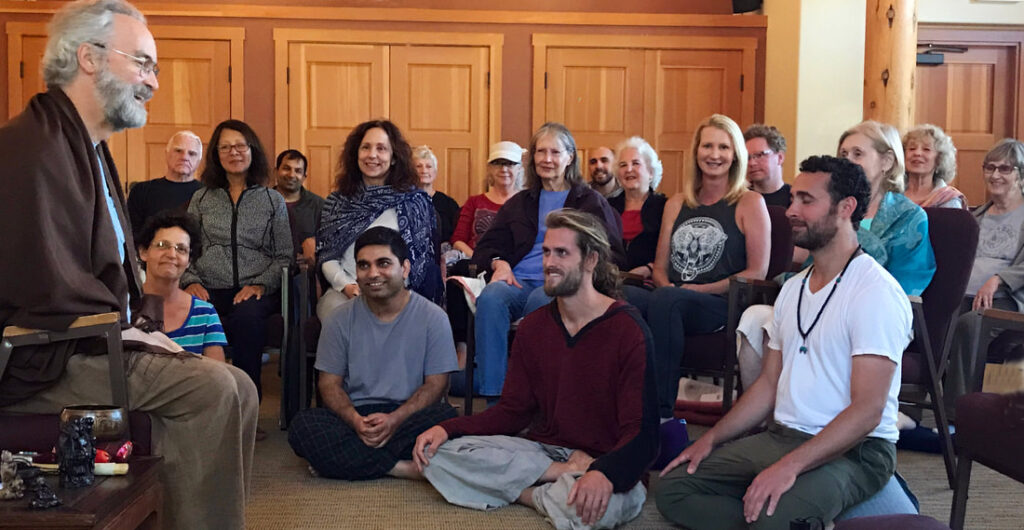
Bhante Vimalaramsi taught a practice rooted in the Buddha’s original teachings, reviving Tranquil Wisdom Insight Meditation (TWIM) from the earliest Buddhist texts. With warmth and clarity, he guided thousands of students worldwide through immersive 10-day retreats.
What makes TWIM retreats so effective?
A unique combination of daily group instruction and personal, one-on-one guidance—helping every participant make real progress through the stages of meditation and directly experience nibbāna (nirvāṇa).