
The Power of Smiling in TWIM
Why Your Inner Smile Transforms Your Practice
Tranquil Wisdom Insight Meditation and Smiling
When exploring the Tranquil Wisdom Insight Meditation (TWIM) practice, many people discover an unexpected yet transformative element: the gentle, loving smile. Unlike traditional meditation approaches that emphasize serious concentration, TWIM incorporates smiling as a fundamental component that enhances both the depth and effectiveness of practice. Understanding why smiling matters in TWIM can revolutionize your meditation journey and accelerate your path to inner peace.
What Makes TWIM Meditation Unique?
TWIM, based on the earliest teachings of the Buddha emphasizes the feeling of loving-kindness as the foundation for the practice. This approach differs significantly from concentration-based meditation techniques by prioritizing emotional warmth and acceptance over rigid mental control. Smiling in TWIM isn’t merely a facial expression—it’s a gateway to cultivating genuine loving-kindness that permeates every aspect of the practice.
The Science Behind Smiling in Meditation
Research in neuroscience reveals that smiling triggers the release of endorphins, serotonin, and dopamine—neurotransmitters associated with happiness and well-being. When incorporated the TWIM practice, this natural biochemical response creates an optimal mental state for developing insight and wisdom. The act of smiling, even when practiced internally, activates the parasympathetic nervous system, promoting relaxation and reducing stress hormones.
Studies show that practitioners who maintain a gentle smile during meditation experience:
Reduced anxiety and depression symptoms
Enhanced emotional regulation
Improved focus and mental clarity
Increased feelings of compassion and empathy
Better overall meditation outcomes

What Bhante Vimalaramsi said about Meditation and Smiling:
“If you can smile, meditation is easy.”
This was one of Bhante Vimalaramsi’s most famous quotes about smiling in meditation. He emphasized that meditation was “neither difficult nor a test of endurance but a joy-filled journey on the middle path of clarity, joy, and wisdom.”
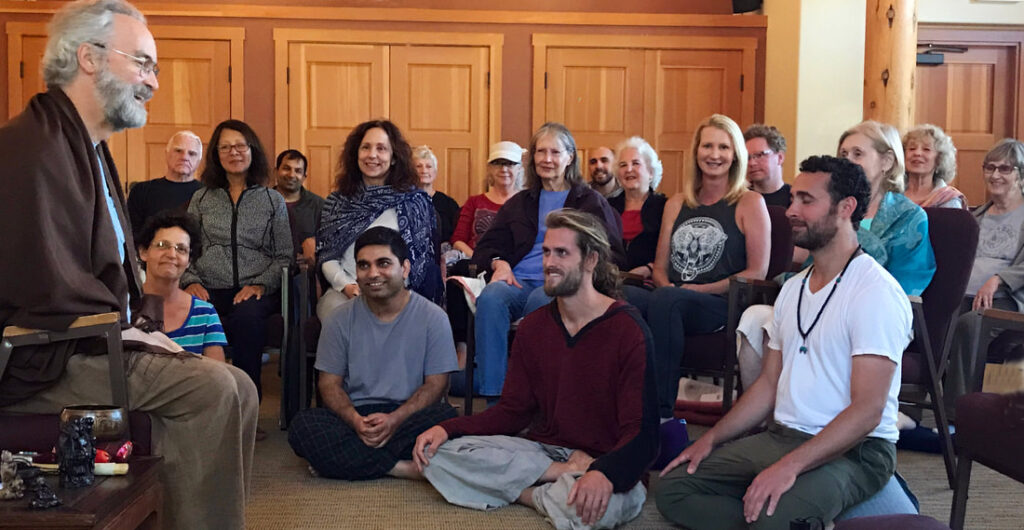
A Genuine Smile
Smiling in TWIM meditation isn’t forced or artificial—it emerges naturally from genuine loving-kindness. Here’s how to develop this essential aspect of your practice:
Start with Self-Compassion: Begin each session by offering yourself the same kindness you’d give a dear friend. This naturally softens facial muscles and encourages a gentle smile.
Use Loving Phrases: Traditional phrases like “May I be happy” or “May I be at peace” help generate authentic feelings of goodwill that manifest as a subtle smile.
Practice the Inner Smile: Even if your face doesn’t visibly change, cultivate an internal sense of warmth and friendliness. This inner smile is often more powerful than external expressions.
Release Tension: Allow your jaw, forehead, and eye muscles to relax completely. A tense face blocks the natural flow of loving-kindness that facilitates the smile.
Common Challenges and Solutions
Many new practitioners struggle with incorporating smiling into their meditation routine. Some worry it feels artificial or distracts from serious spiritual work. However, these concerns typically arise from misunderstanding the purpose of the smile in TWIM practice.
The key is recognizing that the smile isn’t about happiness performance—it’s about creating space for authentic joy and compassion to arise. If smiling feels forced, simply focus on generating loving-kindness toward yourself and others. The smile will develop naturally as your heart opens.
Benefits of Consistent Smiling Practice
Regular practitioners of TWIM meditation report that maintaining a gentle smile throughout sessions leads to:
Deeper States of Concentration:
The relaxed alertness that comes with smiling enhances sustained attention without strain.
Enhanced Emotional Intelligence: Smiling practice develops greater awareness of emotional states and improved regulation skills.
Increased Resilience: The positive mental states cultivated through smiling meditation build psychological resilience against life’s challenges.
Improved Relationships: The compassion developed through TWIM naturally extends to interactions with others, improving social connections.
Integrating Smiling Beyond Formal Practice
The benefits of the TWIM smile extend far beyond meditation cushions. Practitioners often find that maintaining this gentle, loving attitude throughout daily activities transforms ordinary experiences into opportunities for spiritual growth. Whether facing difficult conversations, stressful work situations, or personal challenges, the inner smile developed through TWIM provides a stable foundation of peace and wisdom.